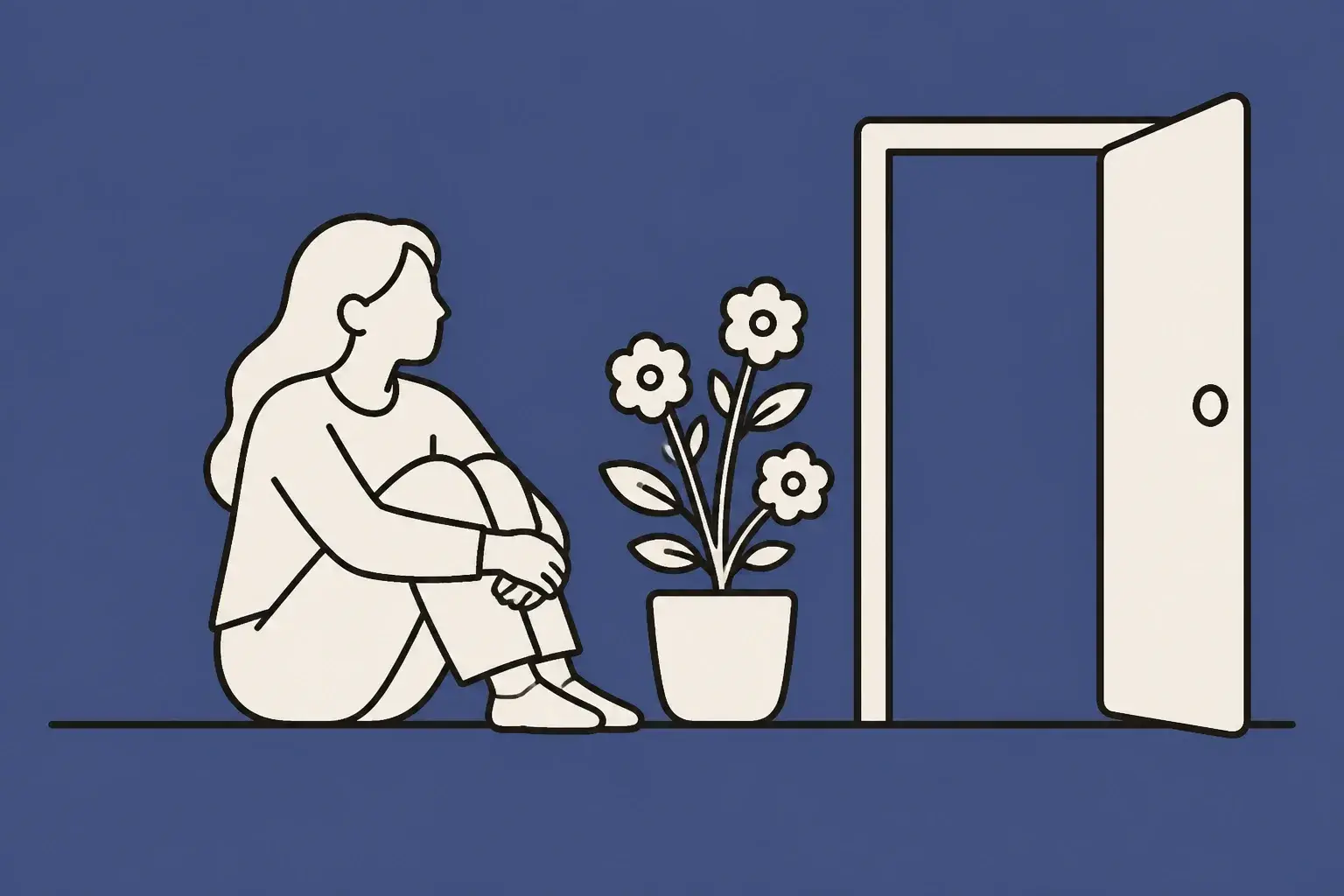
Karmic tail “Prisoner” (3/7/22)
Life can sometimes feel like a room with no spare air: duties pile up, other people’s expectations dominate, and every decision appears dangerous. This is a reflective reading of 3/7/22, not a verdict and not an invitation to make a reckless break.
- Section
- Karmic Tails
- Reading
- 11 min read
- Author
- ArcFlow
- Updated
- Audio
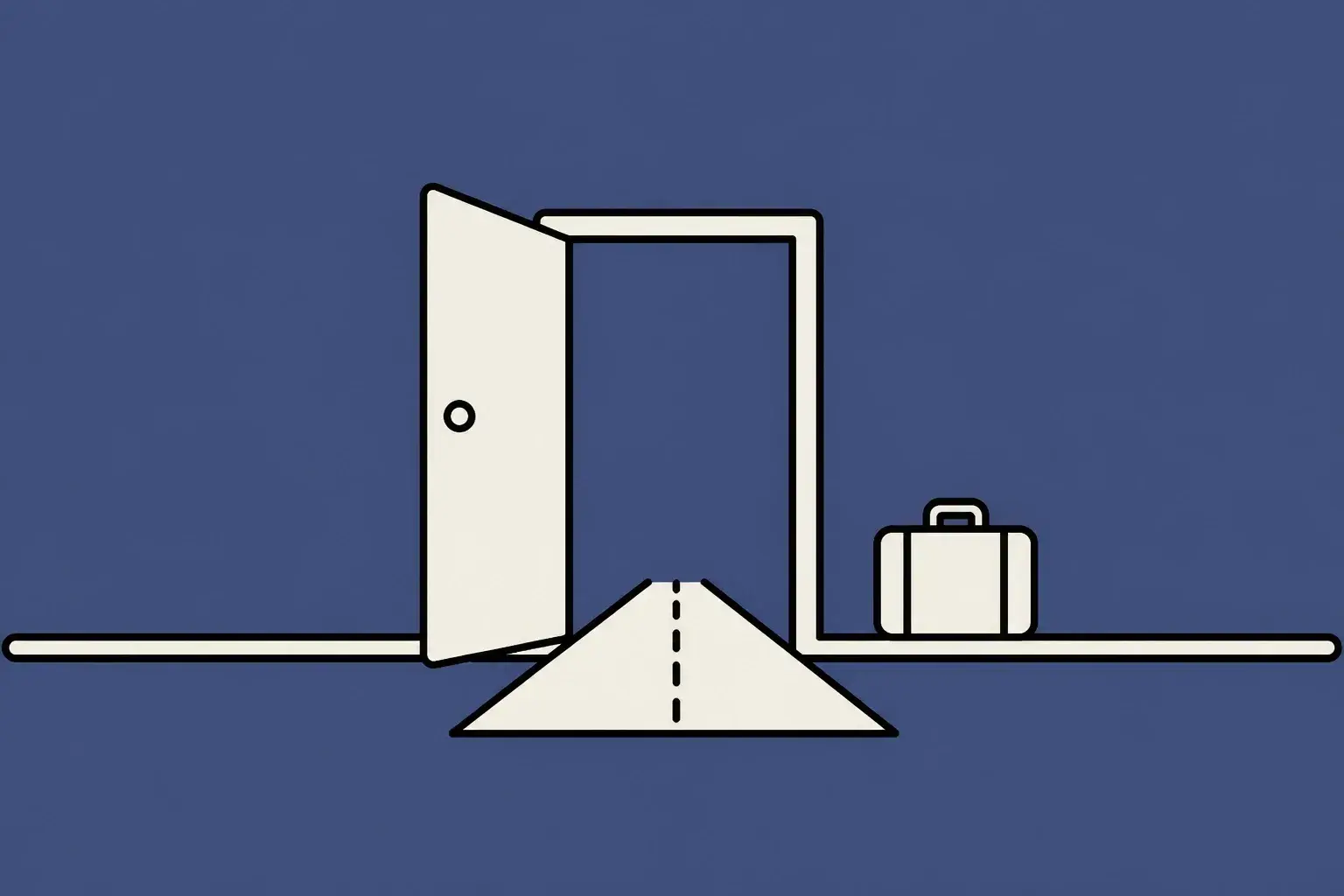
When freedom feels unavailable
The word “Prisoner” can sound literal and frightening. It does not need to be used that way. In a Matrix of Destiny reading, numbers can be treated as prompts for observation: Where do I fail to see an option? Where do I agree because I am afraid? Where do I keep rules that I later experience as a cage? That reflection does not erase real constraints such as debt, illness in the family, an unsafe job, coercive relationships, immigration status, or legal limits. It simply brings the question back to the present: what part of this situation can I influence today?
The sequence 3-7-22 brings together a need for grounding, an urge to move, and a wish to begin again. When those needs conflict, a person may endure far too long or try to cancel every obligation in one dramatic move. There is a third route between freezing and flight: name the facts, gather resources, and then change direction. It may look slower than a spectacular escape, yet it reduces the chance of creating new debt, conflict, or danger while trying to leave an old problem behind.
How the “Prisoner” pattern can appear
Feeling trapped rarely arrives only in dramatic scenes. It may sound like “I cannot say no,” “no one will listen anyway,” or “I have to earn the right to rest.” At work it can mean accepting other people’s deadlines and extra tasks. At home it can mean asking permission for ordinary decisions or silently carrying every domestic responsibility. In a relationship it can mean fear of discussing money, boundaries, or disagreement. Notice both the external limitation and the private rule that remains active even after an opportunity has appeared.
This pattern can produce opposite reactions. One is to go still and wait for a partner, a manager, or luck to change everything. The other is to prove freedom through risk: leaving a job without a plan, disappearing from a conversation, breaking an important agreement, or deciding in a surge of anger. Neither response makes someone bad. Both can grow from overload and a lack of support. Their consequences are different, so it is worth pausing long enough to check housing, money, obligations, and the people who would be affected.
In shadow: I wait for permission or cut everything off
In its difficult expression, the Prisoner pattern waits for perfect permission from outside. A request becomes a hint, tiredness becomes silent resentment, and a wish for change becomes a fantasy about a day when everything will release itself. The key to one’s own life is handed to a partner, parent, employer, or circumstance. People nearby may not understand what is happening: outwardly there is agreement, while inwardly a sense of being used is growing. A first honest step is not self-blame; it is naming one specific need and one specific limit aloud.
In resource: I build options
In a more constructive expression, the same sensitivity to limits helps create conditions for freedom. You discuss timing, payment, household responsibilities, and the right to reconsider before resentment grows. You do not promise what you cannot deliver, and you do not take on someone else’s responsibility merely to keep peace. You build a backup option: a small financial reserve, a useful contact, a skill, a document, or an agreement with someone close. This is not cold calculation. It is a way to stop depending on one narrow exit and begin collecting choices gradually.
Three arcanas: ground, direction, an open door
Arcana 3: The Empress
Arcana 3, the Empress, can be read here as material ground: the body, home, food, rest, money, care, and the right to take up space. A person who has lived under pressure for a long time often tries to solve everything with thought alone. Choice grows when sleep, a clear budget, and at least one place to breathe are available. The first step may be quite ordinary: replace a document, make a medical appointment, learn the cost of training, ask a friend to watch a child, or list recurring expenses. Ordinary support is still support.
Arcana 7: The Chariot
Arcana 7, the Chariot, speaks of directed movement. It can protect the Prisoner pattern from chaos. Movement does not have to be fast, but it needs a route: where you are going, why it matters, what resources already exist, and what could get in the way. Instead of only thinking “I must quit,” define a three-month task: update a résumé, speak to two people in the field, study vacancies, and avoid taking new credit before deciding. A route removes some panic because the next action becomes visible and finite.
Arcana 22: The Fool
Arcana 22, the Fool, brings curiosity about the new and a capacity not to live only by someone else’s script. In shadow it can confuse freedom with having no consequences. In a useful reading it supports exploration: try a course, meet a different community, travel to a safe place, or admit that an old role no longer fits. Ask a simple question: does this decision add stability, or does it only bring a brief rush of relief? If the cost involves health, safety, legal rights, or the wellbeing of a dependent person, pause and seek a safer plan and professional advice first.
Escape or a wider range of choices
Acts to end tension immediately.
Checks consequences and chooses the nearest safe step.
Treats every agreement as a cage and disappears from the conversation.
Reviews terms, timing, and their own part of responsibility.
Stays alone with the consequences.
Brings in support before the situation becomes a crisis.
Practice: make room for yourself
It is misleading to contrast a “captive” person with a completely free one, because freedom is not the absence of every boundary. Adult life includes contracts, care for children, work, money, the law, and shared obligations. The better question is whether you understand those boundaries, can discuss them, and have a voice within them. Mature freedom helps people choose commitments consciously. You may stay on a project long enough to hand work over while naming your end date in advance. You may support a relative without becoming the only person allowed to solve every problem.
It is useful to separate fear from a signal of danger. Fear of speaking with a manager or partner does not always mean the conversation should never happen; sometimes it shows that the subject matters. If there are threats, physical violence, coercion, control of documents, money, or movement, safety comes before an open conversation. Do not announce a plan to a person who may react dangerously. Contact local crisis support, a lawyer, a trusted person, or emergency services. A symbolic article cannot replace a safety plan and should never persuade anyone to remain in harm.
Four steps toward a wider choice
Map the constraints
Begin the practice by mapping constraints. Divide a sheet of paper into two columns: “what I do not choose” and “what I can influence.” The first may include a contract end date, caring for a child, current income, or treatment. The second may include clarifying terms, checking benefits, revising expenses, asking for help, or raising a subject in a conversation. Do not fill the second column with ten urgent tasks. One completed agreement restores more agency than an ambitious list that becomes fresh evidence of powerlessness.
Compare the cost of staying and changing
Next, name the cost of the present arrangement and the cost of change. Use observable details rather than only “I feel terrible” or “I am afraid”: how many hours commuting takes, what amount a move would require, which relationships may become tense, and what may improve in six months if nothing changes. This is not accounting away emotion. A clear picture prevents an important decision from being made in a spike of anger and prevents your exhaustion from being dismissed. When it is safe to talk, describe a fact, a request, and a time frame.
Ask for specific support
The third step is to widen support. People who feel trapped often avoid speaking because they fear looking weak or ungrateful. Choose one person who can hear not your whole history, but one fact and one request. “I am applying for work; could you read my résumé?” “I feel anxious about going home; may I call you this evening?” “I do not understand this contract; where can I get advice?” A specific request is lighter for both sides. You do not need to explain your whole life, and the other person does not have to guess how to help.
Do not manage danger alone
Where there are threats, violence, or coercion, safety and qualified help come before a conversation about “working through” a tail.
Relationships, work, and money
In relationships, 3-7-22 can be read as a lesson about remaining a separate person. Love does not require constant availability, giving up friends, phone surveillance, or accounting for every purchase. At the same time, independence does not justify deception or disappearing without explanation when safety is not at issue. A sound agreement holds two realities: each person has private space, and decisions affecting both are discussed in advance. Start with one rule that reduces a recurring tension, such as how rest, money, family visits, or the end of an argument will be handled.
At work, the same logic keeps you from choosing only submission or war. If workload has grown, prepare a short conversation: which tasks you own, how long they take, what will suffer if another task is added, and which priority you suggest. “I cannot do everything” becomes stronger with “I can finish A by Friday if B is moved or reassigned.” You are not asking permission to exist; you are participating in the management of your work. If an employer consistently ignores boundaries, a planned search for a different role may be wiser than endlessly trying to earn respect.
Money often strengthens the sense of a trap, so small verifiable actions matter. List required payments separately from wishes and shame. Find out which documents, benefits, free consultations, or training programs are available where you live. If you have debt, do not avoid letters: an early conversation with a lender or a qualified adviser usually creates more options than silence. Do not take high-risk loans or trust claims of instant freedom without checking the terms. Financial clarity does not solve everything, but it makes choice less lonely and less foggy.
Frequently asked questions about 3/7/22
This article cannot tell you who you were or who you must become. It offers one skill to notice: keep a connection between the wish for change and care for consequences. You can want freedom and still build a plan. You can remain for a while without calling it failure. You can contact a therapist, social worker, lawyer, or doctor when your own resources are not enough. Symbols are useful while they help you see yourself more clearly. When they become a reason to tolerate harm, blame another person, or make an unsafe decision, set them aside and return to real support.
Probably not: it is neither a diagnosis nor a one-time ritual task. It is more useful to return to your decisions, boundaries, and way of asking for support as circumstances change.
Sometimes the sense of a cage is maintained not by one major prohibition but by many small automatic habits. You answer messages on holiday, accept a meeting at an unsuitable time, explain every decision, or postpone a medical visit because “there is no time for me.” Choose one habit and run a small experiment for a week. Turn work notifications off after an agreed hour, ask to move a meeting, or keep one evening free of obligations. The point is not to become a different person overnight. It is to test whether life can hold a boundary that once seemed impossible.
If you have looked honestly and still cannot see an option, that is not proof that you have failed. There are periods when a person needs external support rather than motivation: advice about law or debt, medical care, temporary housing, community support, or therapy. Make a short list of services and people you could contact, and keep it somewhere accessible. Asking for help does not cancel independence. It can make it possible to get through a moment in which demanding a heroic solution from yourself would be too dangerous or simply too much.
No. Recognising yourself in a text is not advice to end a connection. First assess facts, safety, resources, and the possibility of conversation or professional help.
Calculate your Matrix of Destiny
Explore the energies of your birth date and use them as a basis for thoughtful self-observation.
Calculate my Matrix