Parent-child karma in the Destiny Matrix: connection without blame
In family topics, “karma” can easily sound accusatory. Here it stays a metaphor for recurring patterns, not proof of debt, punishment or a child’s duty to heal adults.
- Section
- Numerology Basics
- Reading
- 19 min read
- Author
- ArcFlow
- Updated
- Audio

A family pattern is not a sentence
Families often repeat ways of arguing, staying silent, caring, handling money and speaking about feelings. These pass through experience and environment, not through ready-made mystical guilt.
A Matrix can help phrase a question: “Which habit repeats between us?” The answer belongs in concrete conversations, rules, boundaries and, when needed, family therapy.
Compare Matrices only as a prompt for dialogue, never as a rating of parent-child compatibility.
See points in the full Matrix
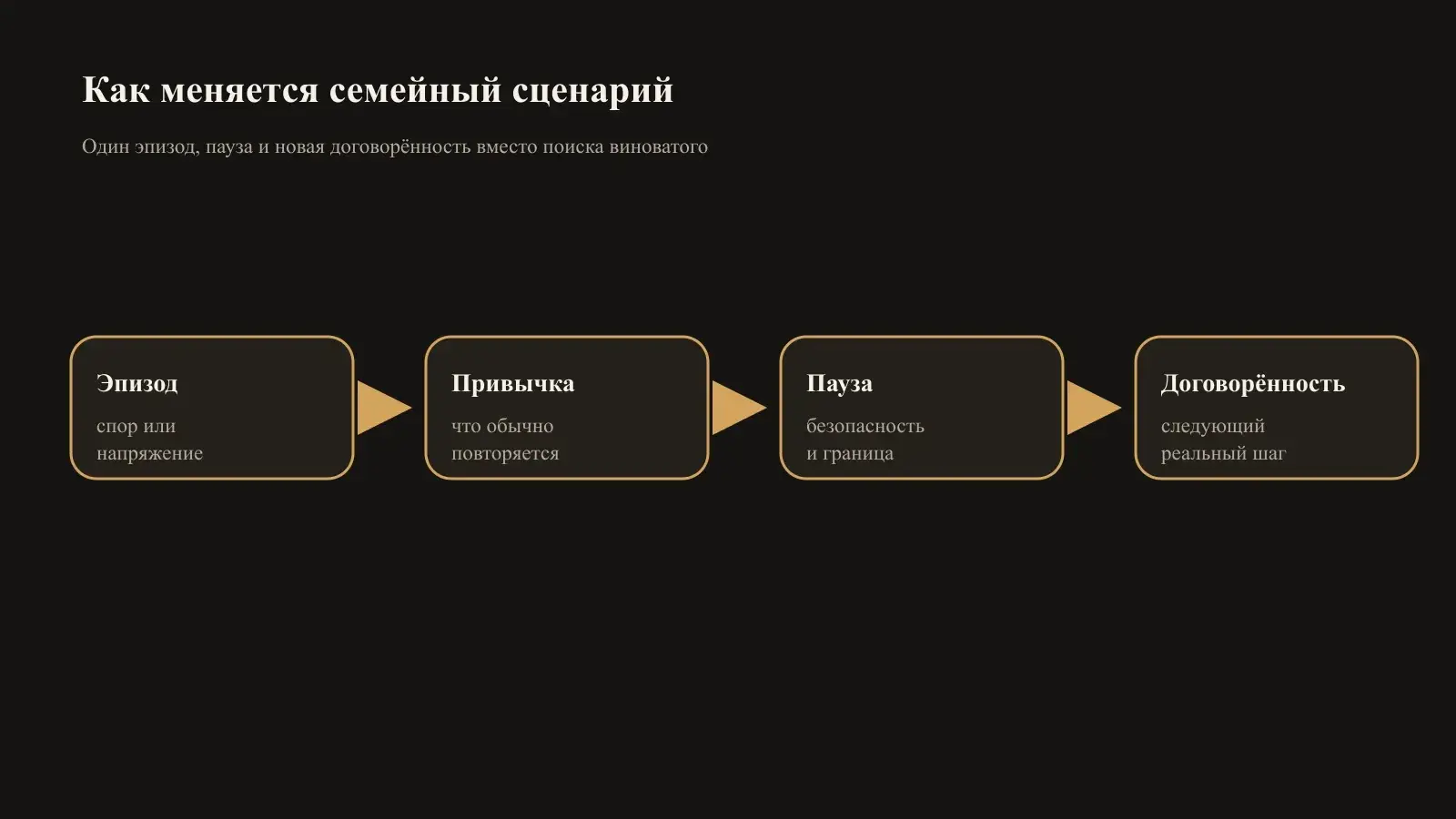
How to address relationship tension
Start with a real episode
Name the event
A disagreement about school, calls, money or personal space.
Remove generalisations
Replace always and never with one event and your own reaction.
Separate responsibility
Adults are responsible for safety and boundaries; children are not responsible for adult emotions, marriages or financial decisions.
Agree on a next step
A pause, communication rule, family meeting or professional support can be chosen now.
Family guilt
“A child came to work off the family’s mistakes” can justify pressure and take away their right to be themselves.
Family responsibility
“Adults notice a painful pattern and look for a safer way to stay connected.”
Parent-child connection: a detailed map of 22 energies
Karma here is only a metaphor for family repetition. It does not prove guilt, a child’s debt or a duty to tolerate unsafe treatment.
Each energy below is a possible lens for recurring family habits, closeness and boundaries. Keep only what can be checked in experience; the rest does not need to be forced to fit.
1. Magician
In this area, Magician can be explored through initiative and permission to start before full readiness. In real life it is visible not in a flattering description but in a repeating scene: how a person decides, what is postponed, whom they consult and what a familiar reaction costs. Check one episode, language for conversation, adult responsibility and a safe agreement. Number 1 does not explain a situation by itself; experience, resources, age, health and circumstances also matter.
Instead of concluding “I or my child have Magician,” ask: “Where in recurring family habits, closeness and boundaries does this reaction help now, and where does it narrow choice?” Then choose one checkable step: clarify terms, name a feeling, ask for a pause, try another format or discuss it with someone who can genuinely help. There is no need to fix a personality; notice the next episode more carefully.
2. High Priestess
In this area, High Priestess can be explored through attention to nuance, silence and hidden information. In real life it is visible not in a flattering description but in a repeating scene: how a person decides, what is postponed, whom they consult and what a familiar reaction costs. Check one episode, language for conversation, adult responsibility and a safe agreement. Number 2 does not explain a situation by itself; experience, resources, age, health and circumstances also matter.
Instead of concluding “I or my child have High Priestess,” ask: “Where in recurring family habits, closeness and boundaries does this reaction help now, and where does it narrow choice?” Then choose one checkable step: clarify terms, name a feeling, ask for a pause, try another format or discuss it with someone who can genuinely help. There is no need to fix a personality; notice the next episode more carefully.
3. Empress
In this area, Empress can be explored through care for conditions, growth and material grounding. In real life it is visible not in a flattering description but in a repeating scene: how a person decides, what is postponed, whom they consult and what a familiar reaction costs. Check one episode, language for conversation, adult responsibility and a safe agreement. Number 3 does not explain a situation by itself; experience, resources, age, health and circumstances also matter.
Instead of concluding “I or my child have Empress,” ask: “Where in recurring family habits, closeness and boundaries does this reaction help now, and where does it narrow choice?” Then choose one checkable step: clarify terms, name a feeling, ask for a pause, try another format or discuss it with someone who can genuinely help. There is no need to fix a personality; notice the next episode more carefully.
4. Emperor
In this area, Emperor can be explored through structure, agreements and responsibility for boundaries. In real life it is visible not in a flattering description but in a repeating scene: how a person decides, what is postponed, whom they consult and what a familiar reaction costs. Check one episode, language for conversation, adult responsibility and a safe agreement. Number 4 does not explain a situation by itself; experience, resources, age, health and circumstances also matter.
Instead of concluding “I or my child have Emperor,” ask: “Where in recurring family habits, closeness and boundaries does this reaction help now, and where does it narrow choice?” Then choose one checkable step: clarify terms, name a feeling, ask for a pause, try another format or discuss it with someone who can genuinely help. There is no need to fix a personality; notice the next episode more carefully.
5. Hierophant
In this area, Hierophant can be explored through learning, values and passing on tested experience. In real life it is visible not in a flattering description but in a repeating scene: how a person decides, what is postponed, whom they consult and what a familiar reaction costs. Check one episode, language for conversation, adult responsibility and a safe agreement. Number 5 does not explain a situation by itself; experience, resources, age, health and circumstances also matter.
Instead of concluding “I or my child have Hierophant,” ask: “Where in recurring family habits, closeness and boundaries does this reaction help now, and where does it narrow choice?” Then choose one checkable step: clarify terms, name a feeling, ask for a pause, try another format or discuss it with someone who can genuinely help. There is no need to fix a personality; notice the next episode more carefully.
6. Lovers
In this area, Lovers can be explored through choice, connection and the ability to negotiate. In real life it is visible not in a flattering description but in a repeating scene: how a person decides, what is postponed, whom they consult and what a familiar reaction costs. Check one episode, language for conversation, adult responsibility and a safe agreement. Number 6 does not explain a situation by itself; experience, resources, age, health and circumstances also matter.
Instead of concluding “I or my child have Lovers,” ask: “Where in recurring family habits, closeness and boundaries does this reaction help now, and where does it narrow choice?” Then choose one checkable step: clarify terms, name a feeling, ask for a pause, try another format or discuss it with someone who can genuinely help. There is no need to fix a personality; notice the next episode more carefully.
7. Chariot
In this area, Chariot can be explored through pace, movement and carrying a route to completion. In real life it is visible not in a flattering description but in a repeating scene: how a person decides, what is postponed, whom they consult and what a familiar reaction costs. Check one episode, language for conversation, adult responsibility and a safe agreement. Number 7 does not explain a situation by itself; experience, resources, age, health and circumstances also matter.
Instead of concluding “I or my child have Chariot,” ask: “Where in recurring family habits, closeness and boundaries does this reaction help now, and where does it narrow choice?” Then choose one checkable step: clarify terms, name a feeling, ask for a pause, try another format or discuss it with someone who can genuinely help. There is no need to fix a personality; notice the next episode more carefully.
8. Justice
In this area, Justice can be explored through balance of interests, rules and consequences. In real life it is visible not in a flattering description but in a repeating scene: how a person decides, what is postponed, whom they consult and what a familiar reaction costs. Check one episode, language for conversation, adult responsibility and a safe agreement. Number 8 does not explain a situation by itself; experience, resources, age, health and circumstances also matter.
Instead of concluding “I or my child have Justice,” ask: “Where in recurring family habits, closeness and boundaries does this reaction help now, and where does it narrow choice?” Then choose one checkable step: clarify terms, name a feeling, ask for a pause, try another format or discuss it with someone who can genuinely help. There is no need to fix a personality; notice the next episode more carefully.
9. Hermit
In this area, Hermit can be explored through depth, research and independent concentration. In real life it is visible not in a flattering description but in a repeating scene: how a person decides, what is postponed, whom they consult and what a familiar reaction costs. Check one episode, language for conversation, adult responsibility and a safe agreement. Number 9 does not explain a situation by itself; experience, resources, age, health and circumstances also matter.
Instead of concluding “I or my child have Hermit,” ask: “Where in recurring family habits, closeness and boundaries does this reaction help now, and where does it narrow choice?” Then choose one checkable step: clarify terms, name a feeling, ask for a pause, try another format or discuss it with someone who can genuinely help. There is no need to fix a personality; notice the next episode more carefully.
10. Wheel of Fortune
In this area, Wheel of Fortune can be explored through cycles, change and readiness to rebuild a plan. In real life it is visible not in a flattering description but in a repeating scene: how a person decides, what is postponed, whom they consult and what a familiar reaction costs. Check one episode, language for conversation, adult responsibility and a safe agreement. Number 10 does not explain a situation by itself; experience, resources, age, health and circumstances also matter.
Instead of concluding “I or my child have Wheel of Fortune,” ask: “Where in recurring family habits, closeness and boundaries does this reaction help now, and where does it narrow choice?” Then choose one checkable step: clarify terms, name a feeling, ask for a pause, try another format or discuss it with someone who can genuinely help. There is no need to fix a personality; notice the next episode more carefully.
11. Strength
In this area, Strength can be explored through endurance, boundary protection and handling tension. In real life it is visible not in a flattering description but in a repeating scene: how a person decides, what is postponed, whom they consult and what a familiar reaction costs. Check one episode, language for conversation, adult responsibility and a safe agreement. Number 11 does not explain a situation by itself; experience, resources, age, health and circumstances also matter.
Instead of concluding “I or my child have Strength,” ask: “Where in recurring family habits, closeness and boundaries does this reaction help now, and where does it narrow choice?” Then choose one checkable step: clarify terms, name a feeling, ask for a pause, try another format or discuss it with someone who can genuinely help. There is no need to fix a personality; notice the next episode more carefully.
12. Hanged Man
In this area, Hanged Man can be explored through pause, a different angle and refusal of rushed conclusions. In real life it is visible not in a flattering description but in a repeating scene: how a person decides, what is postponed, whom they consult and what a familiar reaction costs. Check one episode, language for conversation, adult responsibility and a safe agreement. Number 12 does not explain a situation by itself; experience, resources, age, health and circumstances also matter.
Instead of concluding “I or my child have Hanged Man,” ask: “Where in recurring family habits, closeness and boundaries does this reaction help now, and where does it narrow choice?” Then choose one checkable step: clarify terms, name a feeling, ask for a pause, try another format or discuss it with someone who can genuinely help. There is no need to fix a personality; notice the next episode more carefully.
13. Death
In this area, Death can be explored through completion, letting go of what is over and renewal. In real life it is visible not in a flattering description but in a repeating scene: how a person decides, what is postponed, whom they consult and what a familiar reaction costs. Check one episode, language for conversation, adult responsibility and a safe agreement. Number 13 does not explain a situation by itself; experience, resources, age, health and circumstances also matter.
Instead of concluding “I or my child have Death,” ask: “Where in recurring family habits, closeness and boundaries does this reaction help now, and where does it narrow choice?” Then choose one checkable step: clarify terms, name a feeling, ask for a pause, try another format or discuss it with someone who can genuinely help. There is no need to fix a personality; notice the next episode more carefully.
14. Temperance
In this area, Temperance can be explored through rhythm, combining different needs and gradual adjustment. In real life it is visible not in a flattering description but in a repeating scene: how a person decides, what is postponed, whom they consult and what a familiar reaction costs. Check one episode, language for conversation, adult responsibility and a safe agreement. Number 14 does not explain a situation by itself; experience, resources, age, health and circumstances also matter.
Instead of concluding “I or my child have Temperance,” ask: “Where in recurring family habits, closeness and boundaries does this reaction help now, and where does it narrow choice?” Then choose one checkable step: clarify terms, name a feeling, ask for a pause, try another format or discuss it with someone who can genuinely help. There is no need to fix a personality; notice the next episode more carefully.
15. Devil
In this area, Devil can be explored through desire, ambition and honesty about material matters. In real life it is visible not in a flattering description but in a repeating scene: how a person decides, what is postponed, whom they consult and what a familiar reaction costs. Check one episode, language for conversation, adult responsibility and a safe agreement. Number 15 does not explain a situation by itself; experience, resources, age, health and circumstances also matter.
Instead of concluding “I or my child have Devil,” ask: “Where in recurring family habits, closeness and boundaries does this reaction help now, and where does it narrow choice?” Then choose one checkable step: clarify terms, name a feeling, ask for a pause, try another format or discuss it with someone who can genuinely help. There is no need to fix a personality; notice the next episode more carefully.
16. Tower
In this area, Tower can be explored through a weak point in a system and courage to rebuild it. In real life it is visible not in a flattering description but in a repeating scene: how a person decides, what is postponed, whom they consult and what a familiar reaction costs. Check one episode, language for conversation, adult responsibility and a safe agreement. Number 16 does not explain a situation by itself; experience, resources, age, health and circumstances also matter.
Instead of concluding “I or my child have Tower,” ask: “Where in recurring family habits, closeness and boundaries does this reaction help now, and where does it narrow choice?” Then choose one checkable step: clarify terms, name a feeling, ask for a pause, try another format or discuss it with someone who can genuinely help. There is no need to fix a personality; notice the next episode more carefully.
17. Star
In this area, Star can be explored through hope, a distant direction and making results visible. In real life it is visible not in a flattering description but in a repeating scene: how a person decides, what is postponed, whom they consult and what a familiar reaction costs. Check one episode, language for conversation, adult responsibility and a safe agreement. Number 17 does not explain a situation by itself; experience, resources, age, health and circumstances also matter.
Instead of concluding “I or my child have Star,” ask: “Where in recurring family habits, closeness and boundaries does this reaction help now, and where does it narrow choice?” Then choose one checkable step: clarify terms, name a feeling, ask for a pause, try another format or discuss it with someone who can genuinely help. There is no need to fix a personality; notice the next episode more carefully.
18. Moon
In this area, Moon can be explored through sensitivity to atmosphere and checking anxious guesses. In real life it is visible not in a flattering description but in a repeating scene: how a person decides, what is postponed, whom they consult and what a familiar reaction costs. Check one episode, language for conversation, adult responsibility and a safe agreement. Number 18 does not explain a situation by itself; experience, resources, age, health and circumstances also matter.
Instead of concluding “I or my child have Moon,” ask: “Where in recurring family habits, closeness and boundaries does this reaction help now, and where does it narrow choice?” Then choose one checkable step: clarify terms, name a feeling, ask for a pause, try another format or discuss it with someone who can genuinely help. There is no need to fix a personality; notice the next episode more carefully.
19. Sun
In this area, Sun can be explored through warmth, visibility and permission to take space. In real life it is visible not in a flattering description but in a repeating scene: how a person decides, what is postponed, whom they consult and what a familiar reaction costs. Check one episode, language for conversation, adult responsibility and a safe agreement. Number 19 does not explain a situation by itself; experience, resources, age, health and circumstances also matter.
Instead of concluding “I or my child have Sun,” ask: “Where in recurring family habits, closeness and boundaries does this reaction help now, and where does it narrow choice?” Then choose one checkable step: clarify terms, name a feeling, ask for a pause, try another format or discuss it with someone who can genuinely help. There is no need to fix a personality; notice the next episode more carefully.
20. Judgement
In this area, Judgement can be explored through family history, responsibility and revising old verdicts. In real life it is visible not in a flattering description but in a repeating scene: how a person decides, what is postponed, whom they consult and what a familiar reaction costs. Check one episode, language for conversation, adult responsibility and a safe agreement. Number 20 does not explain a situation by itself; experience, resources, age, health and circumstances also matter.
Instead of concluding “I or my child have Judgement,” ask: “Where in recurring family habits, closeness and boundaries does this reaction help now, and where does it narrow choice?” Then choose one checkable step: clarify terms, name a feeling, ask for a pause, try another format or discuss it with someone who can genuinely help. There is no need to fix a personality; notice the next episode more carefully.
21. World
In this area, World can be explored through a whole picture, different cultures and completing cycles. In real life it is visible not in a flattering description but in a repeating scene: how a person decides, what is postponed, whom they consult and what a familiar reaction costs. Check one episode, language for conversation, adult responsibility and a safe agreement. Number 21 does not explain a situation by itself; experience, resources, age, health and circumstances also matter.
Instead of concluding “I or my child have World,” ask: “Where in recurring family habits, closeness and boundaries does this reaction help now, and where does it narrow choice?” Then choose one checkable step: clarify terms, name a feeling, ask for a pause, try another format or discuss it with someone who can genuinely help. There is no need to fix a personality; notice the next episode more carefully.
22. Fool
In this area, Fool can be explored through experiment, curiosity and permission to learn through mistakes. In real life it is visible not in a flattering description but in a repeating scene: how a person decides, what is postponed, whom they consult and what a familiar reaction costs. Check one episode, language for conversation, adult responsibility and a safe agreement. Number 22 does not explain a situation by itself; experience, resources, age, health and circumstances also matter.
Instead of concluding “I or my child have Fool,” ask: “Where in recurring family habits, closeness and boundaries does this reaction help now, and where does it narrow choice?” Then choose one checkable step: clarify terms, name a feeling, ask for a pause, try another format or discuss it with someone who can genuinely help. There is no need to fix a personality; notice the next episode more carefully.
Arcanas for reflecting on closeness and boundaries
The 3rd Arcana Empress in the Matrix of Destiny: Feminine Energy, Abundance, and Growth
The third energy is the archetype of the Great Mother, the energy of creation, unconditional acceptance, and material abundance. Uncover your natural gift for nurturing projects, relationships, and wealth.
6th Arcana The Lovers in the Matrix of Destiny: The Energy of Love, Choice, and Partnership
The 6th Arcana (The Lovers) is not just about romance; it's the energy of choice, aesthetics, and partnership. Uncover its deep meaning in the Matrix of Destiny.

The 20th Arcana Judgment in the Matrix of Destiny: Family Karma, Awakening, and Generational Ties
A deep dive into the energy of Judgment — the karmic arcana of family that requires healing childhood wounds and opens the path to claircognizance and financial breakthrough.

The 21st Arcana 'The World' in the Matrix of Destiny: Global Projects, Peacemaking, and Scale
The World Arcana in the Matrix of Destiny is the energy of boundless expansion. Learn how to realize your potential in global projects and avoid the traps of isolation.
Common questions
Not as a duty to fix adult lives. Children can feel the consequences of a family environment; that is a reason for support, not a burden.
Only to discuss differences carefully, never to assign guilt or power.
Reduce the task to one rule, use pauses and consider a family psychologist or mediator where safe.
No. Forgiveness is not an obligation or a condition of wellbeing. Boundaries and safety come first.
A full Matrix may suggest topics to observe. Respect, boundaries and support change real relationships.