Karmic tail “Suppressed soul” (21/4/10)
You may adapt for a long time, ask for little and cope alone. Then, when there is no energy left, you want to leave the conversation, job or relationship altogether. The 21-4-10 pattern offers a way to reclaim choice without fighting everyone around you or running from your own life.
- Section
- Karmic Tails
- Reading
- 10 min read
- Author
- ArcFlow
- Updated
- Audio
Freedom needs a reliable structure
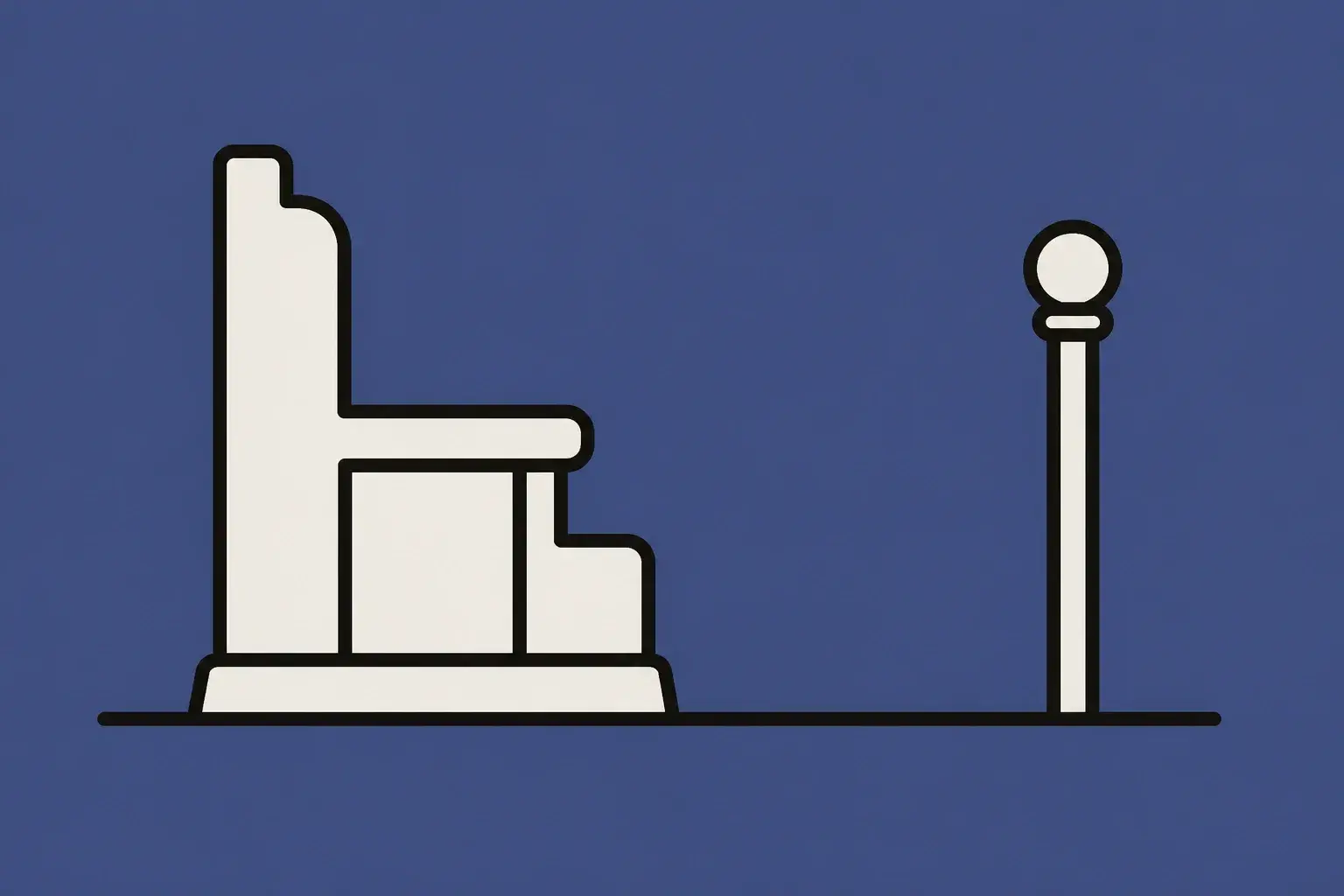
“Suppressed soul” is a heavy name. In the Destiny Matrix it is not a diagnosis, proof of a past life, or a verdict about your character. Treat it as an image for observation. It may resonate if you notice other people’s expectations before your own wishes, then feel empty, irritated or guilty when you try to choose for yourself. If it does not fit, there is no reason to force your story into it.
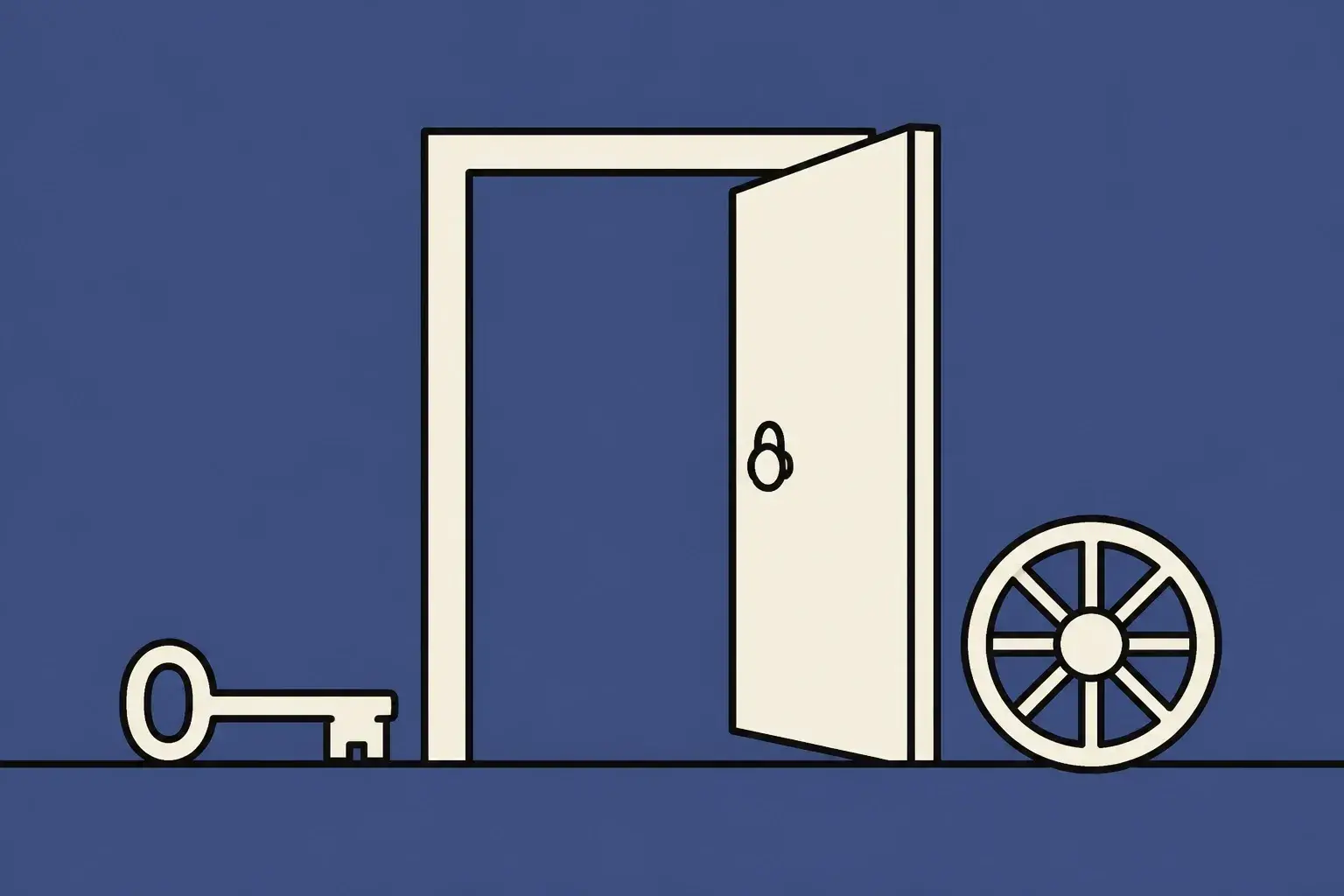
The tension in 21-4-10 is clear. World seeks space, connection and a view beyond one role. Emperor asks for form: rules, money, time and responsibility. Wheel of Fortune reminds us that plans change and total control is unavailable. When these themes do not work together, freedom can feel unsafe and order can feel like someone else’s cage. A person may endure, then cut contact, then try to control every detail in order not to feel powerless again.
A more useful question than “who suppressed me?” is: where do I stop noticing that I have a choice; what does silent agreement cost me; where can I state one condition before resentment builds? The answer may concern family, employment, money or friendship. It does not demand a dramatic exit. Sometimes the first honest choice is to agree on a deadline, ask for resources, or admit that the current workload does not fit into one day.
How the pattern can appear in everyday life
In relationships this pattern often starts quietly. You yield on small things, avoid a money conversation, or accept a schedule that exhausts you. Each concession seems harmless, even caring. Wishes do not disappear, however. They may return as distance, criticism or a sudden urge to end the discussion. The other person can be genuinely confused because you previously said that everything was fine.
At work, suppression can wear the mask of responsibility. You take extra tasks because saying no to a manager or team feels uncomfortable; you do not clarify priorities because you do not want to look difficult; you remain reachable during leave. Eventually an ordinary message creates tension and every new request sounds like an order. Burnout is not a moral failure and it is not solved by one heroic push. It can show that the agreement no longer matches your real capacity.
There is an opposite extreme too. After a period of compliance, independence may become the only safe value. A request feels like an intrusion, help feels like future debt, and shared rules feel controlling. The reaction makes sense, yet it can keep another person’s opinion in charge of your decisions. Freedom becomes steadier when choices follow your values and resources, not a need to prove that nobody can affect you.
In shadow: “I must earn the right to exist as myself”
In relationships this pattern often starts quietly. You yield on small things, avoid a money conversation, or accept a schedule that exhausts you. Each concession seems harmless, even caring. Wishes do not disappear, however. They may return as distance, criticism or a sudden urge to end the discussion. The other person can be genuinely confused because you previously said that everything was fine.
At work, suppression can wear the mask of responsibility. You take extra tasks because saying no to a manager or team feels uncomfortable; you do not clarify priorities because you do not want to look difficult; you remain reachable during leave. Eventually an ordinary message creates tension and every new request sounds like an order. Burnout is not a moral failure and it is not solved by one heroic push. It can show that the agreement no longer matches your real capacity.
In resource: “I can choose and take responsibility for my choice”
A more useful question than “who suppressed me?” is: where do I stop noticing that I have a choice; what does silent agreement cost me; where can I state one condition before resentment builds? The answer may concern family, employment, money or friendship. It does not demand a dramatic exit. Sometimes the first honest choice is to agree on a deadline, ask for resources, or admit that the current workload does not fit into one day.
Autonomy does not require quitting your job or ending a relationship when you are not ready or when that would make you less safe. A mature action can be discussing workload with a manager, writing down priorities, requesting a later deadline, or protecting time without messages. At home it can be saying that you need to think, returning to the topic tomorrow, or sharing one domestic task. A boundary is reliable when you can follow it. One real condition is more useful than ten promises you cannot maintain.
Three arcanas: space, boundaries and change
Arcana 21: World
Arcana 21, World, brings scale. In shadow it can feel as if there is no place where you belong: you must be useful in every role, satisfy different people and never fall behind. Completion and honest limits become difficult. In resource, World restores context. One conflict is not an entire life, one mistake does not erase a future, and a changed plan is not automatically failure. It invites you to see yourself as more than an employee, child, partner or rescuer.
Arcana 4: Emperor
Arcana 4, Emperor, concerns boundaries and support. Its shadow can sound like an inner supervisor: rest must be earned, complaining is forbidden, perfection is required. Those phrases may be learned in family or in a demanding workplace. In resource, four returns to practical facts: available time, actual duties, terms you can accept and a safe way to speak. A boundary need not be harsh. “I can take this on Thursday” already creates shape where there used to be silent compliance.
Arcana 10: Wheel of Fortune
Arcana 10, Wheel of Fortune, speaks about cycles and change. In shadow, someone waits for a perfect safe moment to speak or treats each change as proof that life is unstable. In resource, ten helps prepare for turns without pretending they can be cancelled. A time buffer, a conversation about options, a revised agreement and permission to reconsider within reason make life flexible rather than chaotic. You do not need permanent certainty; one testable next step is enough.
Where choice is lost and reclaimed
Stays silent about discomfort until there is no energy left, then disappears from contact.
Names a limit early: what is possible, what is not, and when the conversation can resume.
Agrees to avoid disappointing someone, then feels indebted and resentful.
Checks for genuine agreement and discusses conditions before making a promise.
Confuses independence with handling everything without support.
Asks for specific support without self-contempt or a hidden scorecard.
Answers pressure with counter-control or a sharp refusal.
Separates the demand from the reaction and chooses a calm action.
How to reclaim your voice without abrupt decisions
Start with neither a global decision about a job, a family nor a move. Sudden changes are sometimes necessary, especially when safety is involved, but they are not the only sign of freedom. In ordinary life, notice the repeating moment: an evening message, a request to stay late, an inconvenient meeting, and your automatic yes. A ten-minute pause changes the pattern. Use it to check your calendar, budget, energy and genuine preference.
Autonomy does not require quitting your job or ending a relationship when you are not ready or when that would make you less safe. A mature action can be discussing workload with a manager, writing down priorities, requesting a later deadline, or protecting time without messages. At home it can be saying that you need to think, returning to the topic tomorrow, or sharing one domestic task. A boundary is reliable when you can follow it. One real condition is more useful than ten promises you cannot maintain.
If someone threatens you, controls your money or contacts, humiliates you, or uses physical or sexual violence, the task is not to “work through” a karmic tail. Safety comes first: contact local emergency services, a crisis organisation, a qualified professional or a trusted person, and make a safe plan. You do not owe an abusive person an explanation and you do not have to manage risk alone. This article cannot replace mental-health, medical or legal care.
How to reclaim your voice without abrupt decisions
Notice the automatic yes
For one week, note three facts rather than every emotion: what was requested, what you answered immediately, and what you actually wanted. The note is not evidence against you. It maps the moment when choice disappears before you can see it.
Return time to your answer
Prepare one neutral sentence: “I will check what is possible and reply by this evening.” Use it with a colleague, client or loved one. A pause is not a refusal; it lets you make a promise you can keep.
Make a workable boundary
Replace “do not pressure me” with an action: “I do not answer work messages after nine”, “I can discuss the budget on Saturday”, or “I will not continue a conversation while we are shouting.” A boundary describes your next step, not someone else’s punishment.
Ask for support without excuses
Choose one reliable person and say what would help: listening after a conversation, being nearby, reminding you of an agreement, or helping find professional support. Asking does not make you dependent. It keeps independence from turning into isolation.
Review after a week
Ask not whether you became perfect, but whether it became clearer where your decision lives. If a boundary failed, adjust the wording, timing or support. Skills grow through repetition, not one emotional victory.
FAQ about karmic tail 21-4-10
No. A numerological image cannot confirm biography and cannot replace a professional conversation. It may illuminate a sense of powerlessness or a habit of adapting, while those reactions can have many causes.
A compromise usually still feels voluntary: you understand why you agreed, can name the cost and do not fear discussing it. Abandoning yourself is more often accompanied by anxiety, silence about what matters and growing resentment.
Yes. It can begin with accessible choices: clarify priority, request time, avoid immediate replies and use leave as leave. If work is consistently damaging your health or safety, seek support and consider exit options at a pace that protects you.
Explore your Destiny Matrix
Calculate your Destiny Matrix and explore where boundaries, stability and trust in your own decisions matter most.
Calculate your Matrix